Sports Psychology for Youth Athletes: How to Overcome Match Anxiety & Compete Under Pressure.
Turn match-day panic into locked-in focus with practical breathing and visualisation routines that actually work.

We have all witnessed it:
A player who is universally acknowledged as the best performer during mid-week training drills suddenly looks unrecognisable in a high-stakes weekend match. Their hands stiffen, their decision-making slows, and they play defensively, paralysed by the fear of making a mistake in front of coaches, scouts, and parents. Performance anxiety isn't a sign of weakness; it is a natural physiological reaction to perceived high stakes. The difference between amateur competitors and elite performers lies in how they channel that nervous energy.
Reframing the Physical Sensation of Arousal
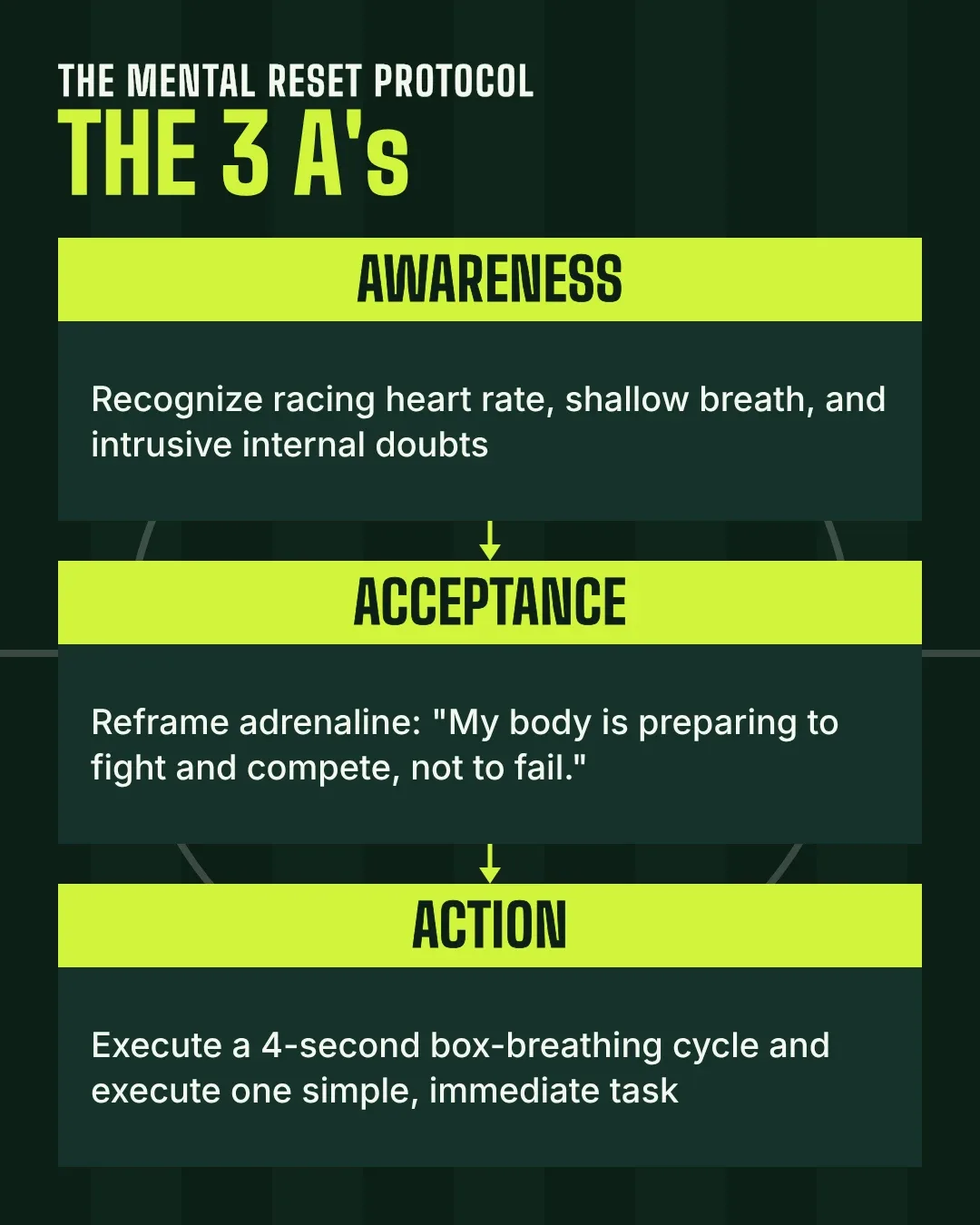
A rapid heartbeat, sweaty palms, and a knot in your stomach are identical biological markers for both fear and excitement. Struggling athletes tell themselves, "I am terrified." Elite athletes reframe the narrative: "My body is flooding with adrenaline to make me faster and sharper." That mental shift transforms panic into focused readiness.
The Science of Tactical Visualization
Your brain struggles to distinguish between a vividly imagined experience and physical reality. Spend ten minutes before matchday visualising high-pressure scenarios: taking a penalty kick with a hostile crowd, executing a tackle on the try line, or facing a fast bowler with two wickets down. Visualise not only flawless execution, but how you recover from an unforced error.
Establish a Pre-Performance Micro-Routine
Routine creates psychological safety. Whether it is tying your laces in a specific sequence, listening to a designated playlist, or taking three deliberate diaphragmatic breaths before crossing the sideline, routines signal your central nervous system that you are in control. Sharpen your mental and physical game.
Connect with coaches, explore mental performance guides, and share your athletic journey on GlobiSport.